Thermal brushes combine heated bristles with brushing action for salon-style blowouts at home; choose hot air for drying-and-styling in one step, or ceramic for smoothing already-dry hair. Pick barrel size and heat settings based on your hair type (thick, curly, or fine), always use a heat protectant, and maintain the brush regularly for it to last. The guide rounds up top picks, a quick buying checklist, and answers to the most common questions before you buy.
Salon blowouts feel amazing, but the upkeep time, money, and appointments aren’t always practical. That’s why thermal brushes are trending in Kuwait right now: they combine heated bristles with brushing action, letting you style and dry in one step instead of juggling a separate dryer and round brush. If you’re chasing that bouncy, salon-fresh look at home, the best thermal brushes are quickly becoming a staple in at-home hair routines, especially for anyone searching for the best thermal brushes for blowouts without a salon appointment.
Below, we break down the top picks by hair type and technology, plus a simple buying guide to help you choose with confidence.
A thermal brush is a heated styling tool that smooths, lifts, and shapes hair in a single motion. Unlike a standard round brush that depends entirely on a separate blow dryer, most thermal brushes generate their own heat, so drying and styling happen together faster, easier, and gentler on your arms during long sessions.

These two categories serve different needs, so it’s worth knowing the difference before you shop:
If you want an all-in-one drying-and-styling tool, go hot air. If your hair is already dry and you just want to refine and smooth it, ceramic is the better fit.
A quick roundup of standout options, matched to different hair needs:
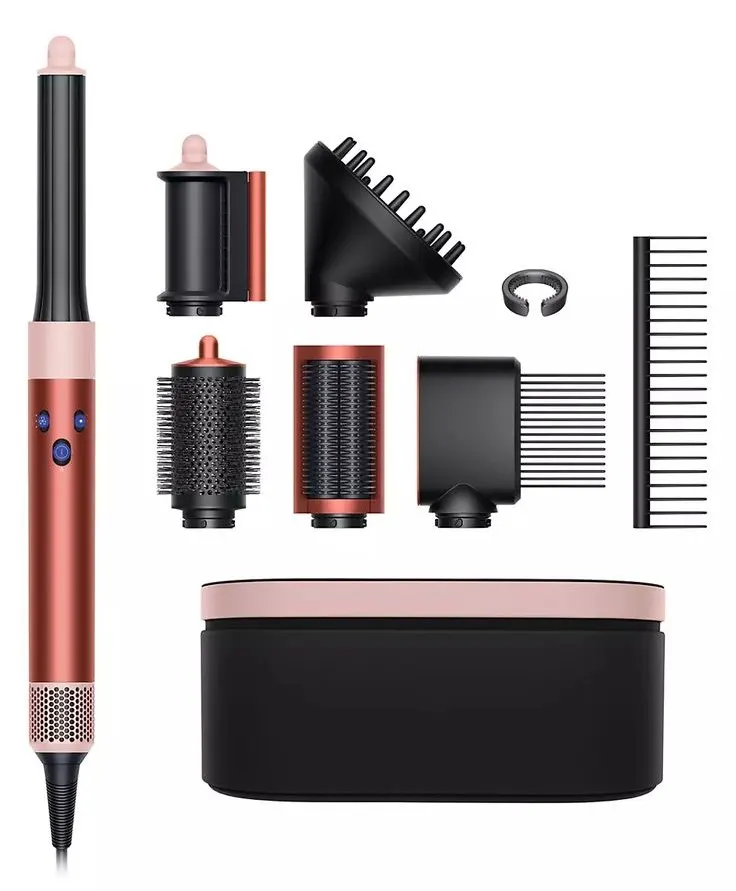
As a true hot-air thermal brush, the Dyson Airwrap uses Coanda airflow rather than extreme heat, offering damage-conscious styling for most hair types. With interchangeable attachments for curling, waving, and smoothing, it’s a versatile, premium option for daily styling without relying on direct heat contact.
| Pros | Cons |
|---|---|
| No extreme heat, reduces damage risk | High price point compared to competitors |
| Multiple attachments for varied styles | Learning curve for first-time users |
| Works well on most hair types | Bulkier storage due to attachments |
| Adds noticeable volume and bounce | Longer styling time for multiple looks |
Built as a ceramic thermal brush with Ionic Care and SilkProtect technology, the Philips BHH885 stands out for its argan oil-infused, extra-large paddle. It’s a dependable choice for quick, everyday straightening, replacing the need for a separate flat iron in most routines.
| Pros | Cons |
|---|---|
| Large paddle styles straighten more hair at once | Less precise for detailed sections |
| Ionic technology reduces frizz effectively | Not ideal for very fine hair |
| Argan oil coating adds shine | Heavier in hand than smaller brushes |
| Fast, everyday straightening | Limited attachment/styling versatility |
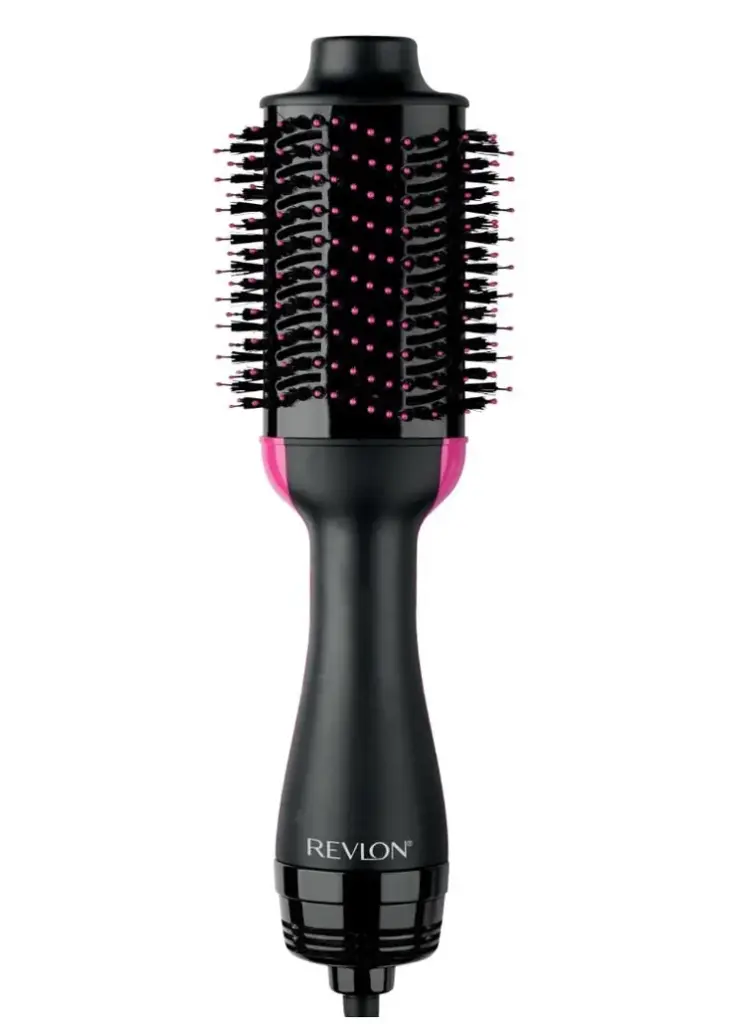
The Revlon One-Step Volumizer is a budget-friendly, accessible pick often ranked among the best thermal hair brush options for at-home blowouts. With three heat/speed settings and a cool-shot option, it’s a beginner-friendly tool for effortless volume and shine.
| Pros | Cons |
|---|---|
| Budget-friendly compared to premium brands | Ceramic coating less durable long-term |
| Simple, beginner-friendly design | Fewer attachment options |
| Cool-shot setting locks in style | Can tangle very long or thick hair |
| Great for quick, everyday blowouts | Less powerful airflow than premium models |
Amika’s line functions as a strong best thermal round brush for volumising and smoothing dry hair. Its negative-ion generator controls frizz and adds body without relying on extra-hot hair-drying tools, making it a versatile pick for daily styling routines.
| Pros | Cons |
|---|---|
| Negative ions reduce frizz and static | Best on dry hair only, not wet |
| Ceramic heating distributes heat evenly | Pricier than drugstore alternatives |
| Adds strong volume and body | Not designed for curling styles |
| Smooths without extra hot air tools | Requires practice for even results |
A little upkeep goes a long way in keeping your best thermal hair brush performing like new:
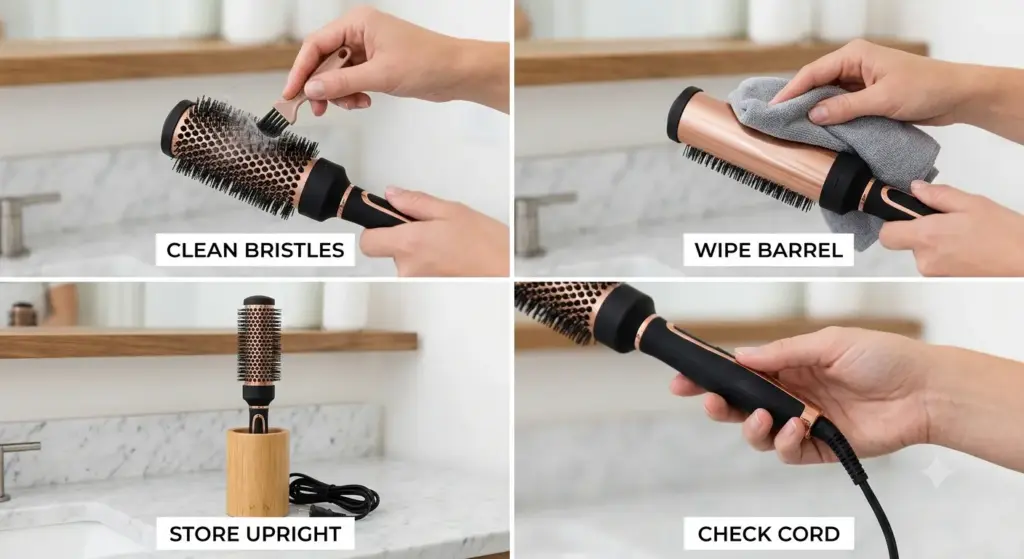
Use a comb or brush cleaner to remove product buildup, oil, and shed hair. Keeping bristles clear is key when using a thermal brush for frizz control, as trapped debris prevents even heat distribution and causes flyaways.
Once it’s cooled, a soft cloth removes residue from styling sprays or serums that can dull the ceramic coating over time, helping you achieve a thermal brush for salon-quality styling finish every single time.
This protects the bristles from bending and keeps the cord from fraying near the base.
Running the highest setting every session shortens the lifespan of both hot air and ceramic components. Use the lowest effective heat for your hair type, especially when using thermal brushes for volume at the roots.
Frayed cords are a safety risk and usually the first sign a tool needs replacing.
A thermal brush delivers incredible shape and body, but the right foundation is what makes your blowout last. Elevating your routine with targeted beauty and personal care formulas specifically within professional hair care ensures your style holds up against humidity and daily wear.
Pairing your hot tool with the right hair styling products gives you total control over the finished look:
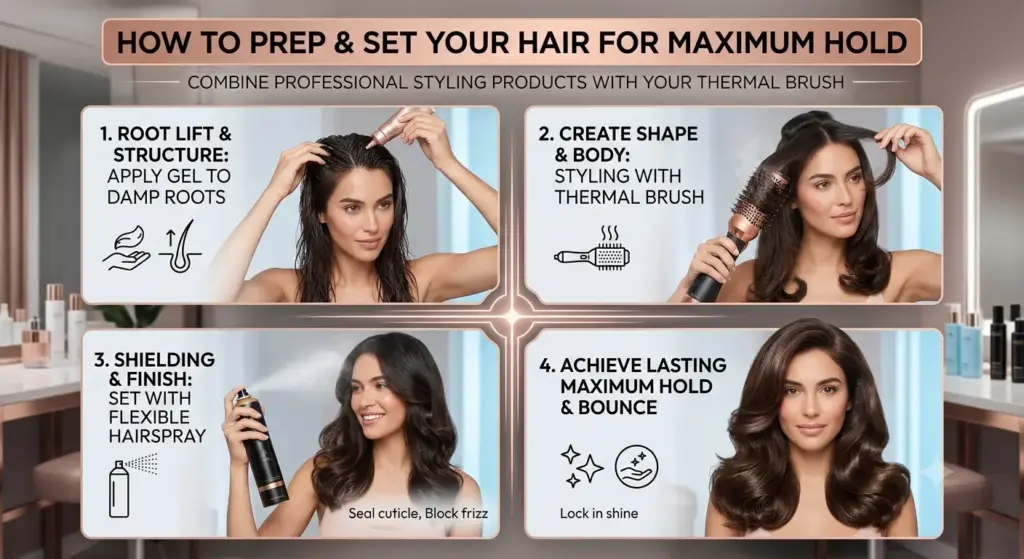
Work a dime-sized amount of lightweight hair styling gel through damp roots before drying to build a heat-activated foundation that holds volume.
Once your style is complete, set your bounce with flexible hair styling sprays to seal the cuticle, block out frizz, and lock in shine.
Finding the ideal tool for your hair routine comes down to matching your specific styling goals with the right technology. To help you narrow down your choices, we’ve put together a quick side-by-side breakdown of the best thermal brushes on the market right now, comparing their features, tech, and best uses.
| Brand | Technology Type | Best For | Key Feature |
|---|---|---|---|
| Dyson (Airwrap Multi-Styler) | Hot air (Coanda airflow with no extreme heat) | All hair types; styling without heat damage | Multiple interchangeable attachments for curling, waving, smoothing, and volumising |
| Philips (5000 Series Heated Brush BHH885) | Heated ceramic bristles with Ionic Care and SilkProtect technology | Quick everyday straightening and frizz control | Argan oil-infused ceramic coating with an extra-large paddle design to style more hair at once |
| Revlon (One-Step Volumizer) | Hot air with protective ceramic coating | Quick, affordable, salon-style blowouts | Three heat/speed settings with a cool-shot option for flexible styling |
| Amika (Blowout Babe / Polished Perfection) | Thermal brush with ceramic heating and a negative ion generator | Volumising blowouts and straightening on dry hair | Versatile ceramic options designed for smoothing frizz and adding body without hot air |
Check out what the Redditor has commented about Revlon hair dryer brush.
“Im using the revlon hair dryer brush for years and my hair is totally fine.”
Source: r/Haircare (Reddit)
A thermal brush broadly refers to any heated styling brush, while a hot air thermal brush specifically combines airflow with heated bristles to dry and style hair simultaneously.
Hot air thermal brushes are designed for damp-to-dry hair since they include drying airflow. Ceramic thermal brushes without airflow should only be used on hair that’s already dry.
Yes. The heated ceramic or tourmaline coating smooths the cuticle to fight frizz, while the round brush shape lifts hair at the root for added volume.
Match the barrel size to your hair length, pick adjustable heat settings suited to your hair type, and look for ceramic or ionic technology for smoother, shinier results. Comparing a few of the best thermal brushes side by side makes it easier to spot which features matter most for your hair.
Most hair types can safely use a thermal brush 2–3 times a week. Fine or damaged hair should limit use and always pair it with a heat protectant.
It depends on your routine. Hot air brushes are better for drying and styling in one step, while ceramic brushes are better for refining hair that’s already dry.

Ubuy content team consist of various writers specializing in different niches. They write blogs about different topics ranging from science, human relationships to the latest technology to share their thoughts, ideas and knowledge with the world.

Get every Newsletter